
|
About Me |
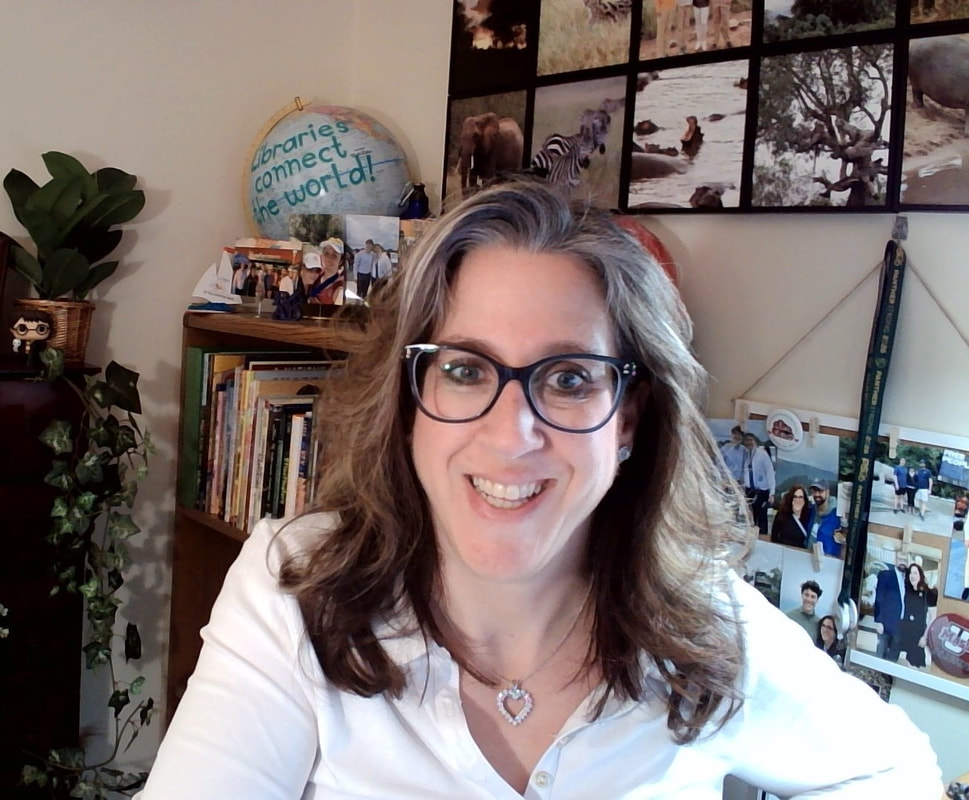

Photo by Tom Hermans on UnsplashOrganization of this siteThis ePortfolio is organized according to the University of South Florida MLIS student learning outcome goals. These goals are Leadership and Innovation, Systems and Services, Knowledge Representation, and Theory and Praxis. I have further broken down the goals into standards. Each section includes artifacts from core and elective classes, and co-curricular activities. Since my graduation in December 2022, I have kept this portfolio updated with current research and work.
I chose to use Weebly for my ePortfolio for its ease of use, and wide array of features that were free to use. I've matched my artifacts to the standards. I consulted with my advisor Natalie Taylor and with Diane Austin on the creation of this ePortfolio. 
Photo by Mari Potter on Unsplash
|
"Once upon a time, a journey began in the quiet hush of an elementary school library. It was a long and winding road, but the librarian saw the potential within the old, outdated collection and library she inherited. The shelves held more than just books; they held stories waiting to ignite young minds, adventures waiting to be embarked upon, and a universe of knowledge waiting to be explored."
Stepping into the Magic "That librarian, of course, was me, Lisa Seymour. I wasn't content with the silence that permeated the library. I saw it as a place that could become the school's heartbeat, so I rolled up my sleeves and got to work." Transforming the Landscape "Fast forward seven years, and the transformation was magical. Gone were the cobwebs and the hushed tones. In their place, the room buzzed with excitement; I created maker spaces and maker projects that had the students unleashing their creative juices. I brought authors to them through in-person author visits and the magic of video conferencing. Suddenly, students could talk about stories and the writing process with the people who created them. The library was filled with laughter, creativity, and, of course, reading. The library had become a vibrant hub, a testament to the power of stories and the joy of learning." Sharing the Magic "But my journey didn't stop there. I knew the power a great librarian could wield, so I became a District Specialist for Library Media Services. There, I built a training program for new librarians, which cut the media specialist turnover rate by over 30%. Now, schools have media specialists and ones trained in creating their own magical spaces. Additionally, in the face of legislation threatening to remove books from shelves, I worked tirelessly to keep all voices and stories on the shelf. Each book that met the district's selection policy was kept from the shelves of the school libraries in Palm Beach County. A New Chapter Beckons "Now, at Palm Beach State College, I'm still dreaming up ways to make learning exciting through workshops, presentations, and innovative library modules. I've even become the college liaison to the 25 high schools in Palm Beach County, where I go to the schools and teach the students research and information literacy skills. I know my work as a librarian isn't done, but my dreams keep growing. These experiences have led me to a place where I dream of becoming a professor in an iSchool where I can teach aspiring librarians about the magic in the librarianship field. Joining the Adventure "This doctoral program feels like the next chapter in my adventure. It's an audacious dream, but so was turning a dusty library into a vibrant hub. With a heart full of stories and a head brimming with ideas, I'm ready to write the next chapter. Let's discuss how we can make this dream a reality together!" 
|
